GLOBAL ENVIRONMENTAL LITERATURE
Fulbright University Vietnam, Fall 2023
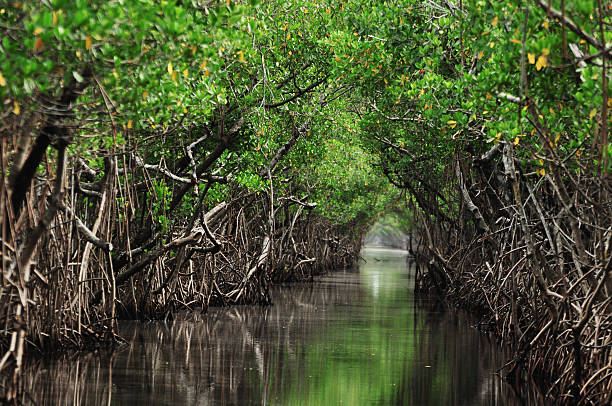
This course introduces students to the methodology of ecocriticism, or the study of ecoliterature, but also to intersectionality, where race, class, gender, and place can affect one another and manifest in literature. It prompts students to ask: 1) how does literature reflect and represent the natural world and 2) how do those representations differ across cultures and geographies? What does that tell us about human relationships to the world around us, as well as how heterogenous those relationships can be? Materials cover what is known today as the global south as well as the colonial/capitalist relationships leading up to that recognition.
Select texts and films : The Hungry Tide (2004), A Small Place (1988), The Intimacies of Four Continents (2015), Poetics of Relation (1990)
FILM, FICTION & THE MAKING OF MODERN VIETNAMS
Fulbright University Vietnam, Fall 2022
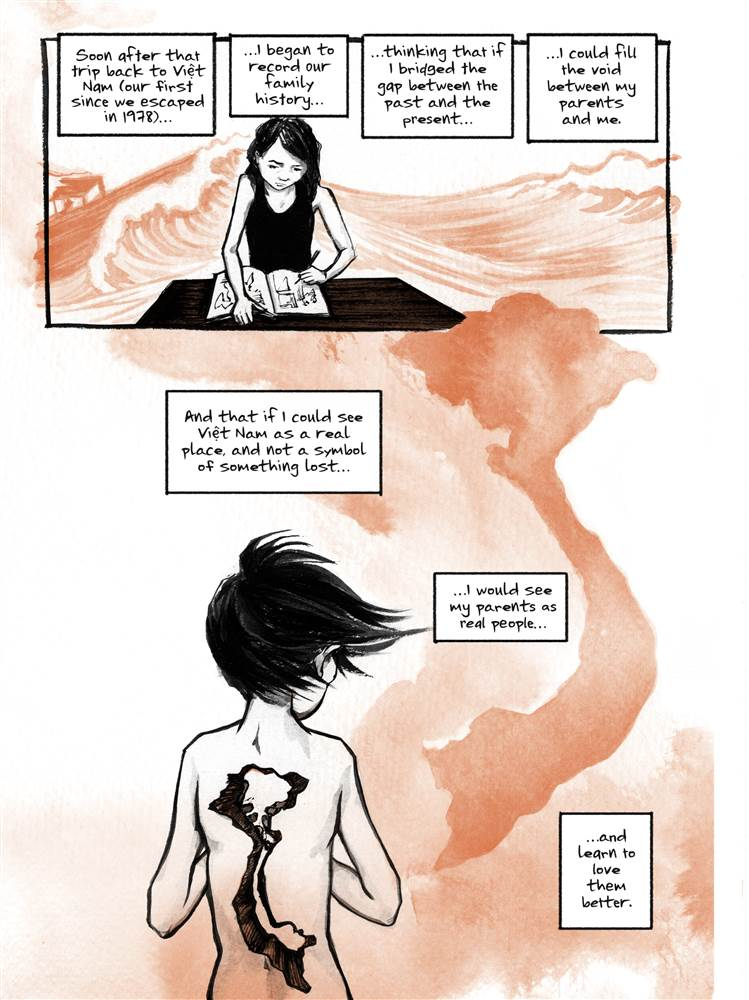
The tumultuous modern history of Vietnam (marked by three major wars, political division, unification and subsequent creation of a massive diasporic community) has forced deep and sometimes soul-wrenching reassessments of Vietnamese identity. Throughout these upheavals, the production of short fiction, film, and tv have provided Vietnamese artists with a mirror of contemplation, a space for reckoning, and a canvas for the portrayal of alternative visions of Vietnamese life, society, and culture. This course will explore what those cultural productions divulge in creating distinct and at times contradicting narratives, and invite students to contemplate their own meaning-making processes in the construction of their own identities.
Sample materials: Dumb Luck (1936), White Métisse (1989), The Mountains Sing (2020), Land of Sorrows (1973), The music of Trịnh Công Sơn
TOWARD AN INTELLECTUAL HISTORY OF 20TH CENTURY VIETNAM
Columbia University, Spring 2022
Beginning with the establishment of a new education system in Vietnam, the Vietnamese became more active in learning, writing and discussing their culture and identity. Not only did this generate an important self-reflexivity that changed the architecture of intellectual activity in Vietnam, it also proved an important step toward achieving national independence. In other words, in determining what Vietnamese identity was or consisted of, the Vietnamese were also negotiating the terms of political legitimacy that would be the foundation of nation-building. Through such an intellectual history, we are able to explore not only abstract ideas but also elements of culture, society, and politics. We will move chronologically through this century to identify the roles that ideas, concepts, and intellectuals play in making social and political change. In addition to translated materials and emerging scholarship, this course will also feature guest interventions from various experts in the field.
Sample materials: Tonkin Free School, “A New Method to Study Civilization” (1907), Tô Hoài, “The First Love Letter,” Trường Chinh “Marxism and Vietnamese Culture” (1948), Châm Văn Biếm “The Robot Poet” (1956)
THE POLITICS OF LANGUAGE IN THE FRANCOPHONE WORLD
Hamilton College, Spring 2021
Bringing in materials across different geographies of the francophone world, this course contemplates the role of language in construction identity, history, and memory. It touches upon major political and literary movements, including Négritude, Deconstructionism, and Feminist writing and considers the various forms of language – from discourse, to national idiom, to body language. Such course is a direct translation of my research into pedagogy
Select Texts : Pluie et vent sur Télumée Miracle (1995), Allah n’est pas obligé (2002), as well as films like Rue Cases-Nègres (1983).
INTERMEDIATE FRENCH THROUGH PERFORMANCE
Hamilton College, Springs 2020, 2021
This course uses various forms of performance art – music, theatre, film, literature, and radio – to deepen students’ knowledge of French and Francophone culture. Various media will demonstrate the role that such art plays in society, including social commentary as we see in Yasmina Reza, and philosophical reflection, as we see in Jean Paul Sartre. It is thus a gateway course but also, at the core, a language course. The objective is to apply the intensive revision of grammar students receive in the first installment of intermediate French and to improve oral and written expression. Learning a language is already a performance in many ways!
Select Texts : Huis Clos (1944), Le Dieu du carnage (2007), as well as legends and short stories from the francophone world.
RITES DE PASSAGE: L’EDUCATION & LA JEUNESSE
Written and Oral Argumentation through Contemporary Texts
Hamilton College Spring 2020

An intensive course focusing on oral and written argumentation, proper nuanced expression, improvement of syntax and vocabulary-building strategies through the exploration of contemporary literary and cultural texts. This course in particular is focused on the theme of “seuil” that is the in-between spaces of public and private, youth and adulthood, self and other.
Select texts and films : Les récrés du petit Nicolas (1961), La Place (1983), Kiffe Kiffe demain (2004), Bande de filles (2014), and Persépolis (2002, 2007).
 yen n. vu