book manuscript
Sometimes I invent myself, like a shipwreck, in the whole expanse of my language.
Gaston Miron
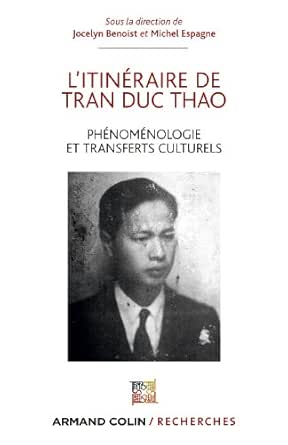
Tentatively entitled Languages of Freedom: French, Vietnamese and intellectual thought in 20th century Vietnam
My current book project makes a direct connection between speaking, writing, and existing in another language with that of actually experiencing and realizing national and intellectual freedom. I examine the work of Vietnamese francophone intellectuals in the 20th century and their engagement with various “languages of freedom,” which consist of national tongues such as French and the Vietnamese national script, as well as discourses of liberty. I argue that this led to new literary and political expressions that exemplify the very ideals of freedom that these Vietnamese intellectuals imagined for a post-independence Vietnam. Because many nation-building narratives for both North and South Vietnam trace linear trajectories from revolution to independence to nation, there is little room for narratives that highlight deliberation, diversity and uncertainty. Writing and dwelling in these new forms allowed these intellectuals to consider the many ways the Vietnamese nation could manifest – which is precisely why this book project is important.
The book’s focus on language in this way redresses the parochial association that Vietnam has with war in both popular and academic domains, centering instead on the value of literature and cultural productions. Vietnam is not alone to grapple with colonialism or political sovereignty, and so these explorations of intellectual freedom and language serve as a strong basis for comparative analysis. As such, it will appeal to scholars of colonial and intellectual history and literature, as well as readers who are interested in better understanding Vietnamese culture more generally.
research articles
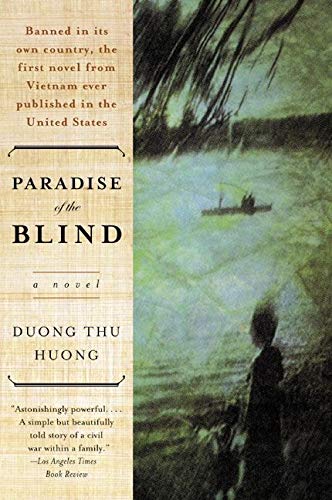
“An ecology of morality: political and material excess in the works of Duong Thu Huong” (forthcoming with Environmental Humanities, March 2024)
This study takes an ecocritical perspective to analyze how materialism figures into Duong Thu Huong’s works after economic renovation or Doi Moi in Vietnam in 1986. I examine Paradise of the Blind (1988) and The Zenith (2006) and how they address political critique of the Vietnamese Communist Party through images of excess, using material excess to comment on political and moral excess in the Party’s governance. I expound upon the profound metaphysical quality of Vietnamese culture and life, in which one’s actions and desires do not stand alone, but are interconnected with that of others. This grants new meaning to the intricate relationship between politics and society, politics and literature, and politics and the environment, for they are not bound by mere human relationships or actions, but by the larger forces of karma and the restoration of a universal equilibrium.
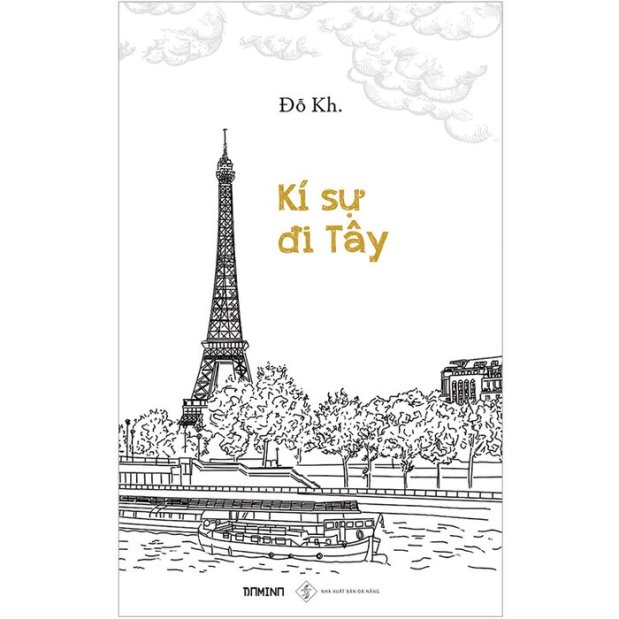
“Migration as a poetics: the transformative mode of history in diasporic life and literature“
This essay explores poetics in a Glissantian vein, reading movement and displacement not only as a generative mode of literary creation but as a transformative mode of history, of living and writing life. It first examines particular instances in the Vietnamese context, notably through contemporary writer Do Khiem and his travel and diasporic literature, and opens up the dialogue of such poetics to writers of displacement more generally. In considering the overlap between travel and displacement, displaced writers and displaced individuals, the essay seeks to develop a relationship between place and identity less predicated on origin than relation.
 yen n. vu